
In March 2025, surgeons at St Vincent's Hospital in Sydney implanted the BiVACOR, a titanium heart with a single magnetically levitated rotor instead of chambers or valves, in a man in his forties awaiting a transplant.
The rotor spins inside a sealed titanium shell, pumping blood by changing speed rather than beating, so there is no surface for a mechanical valve to tear. The man left the hospital with the device still running, becoming the first patient discharged home on a BiVACOR heart, more than 100 days after implantation.
The device has run in only a handful of patients worldwide since the first human implant in 2024, as part of an early feasibility study the FDA expanded to fifteen cases. Long-term durability, clotting risk, and whether a fully artificial heart can ever replace transplant rather than bridge to one remain open questions.
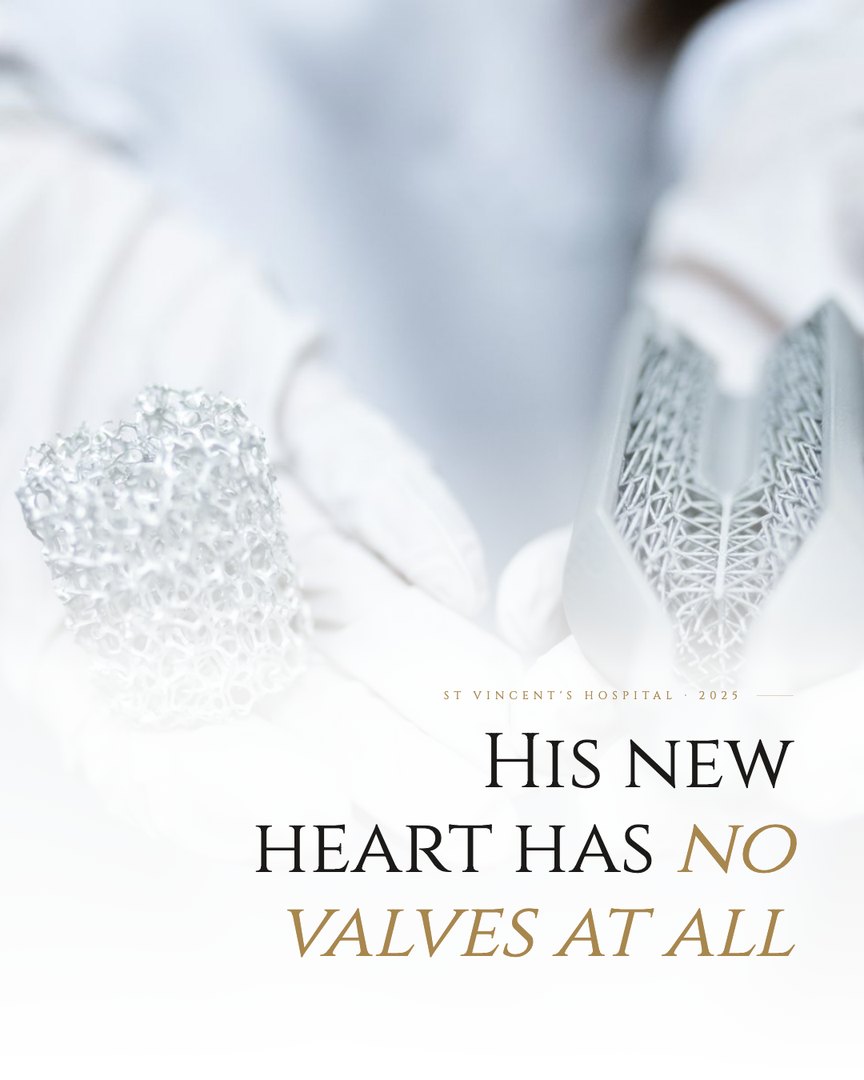
One rotor, no valves, months of life.
Source
- St Vincent's Hospital Sydney case report, 2025 · BiVACOR Inc.